By Jacqui Barrineau | March 31, 2026
From the Senior Living News Newsroom
On Day 2 of the recent HEALTHTAC East 2026 in Fort Myers, Fla., a panel of designers, developers and operators dug into the high-stakes intersection of vision and viability, with an eye on the future of senior-living communities.
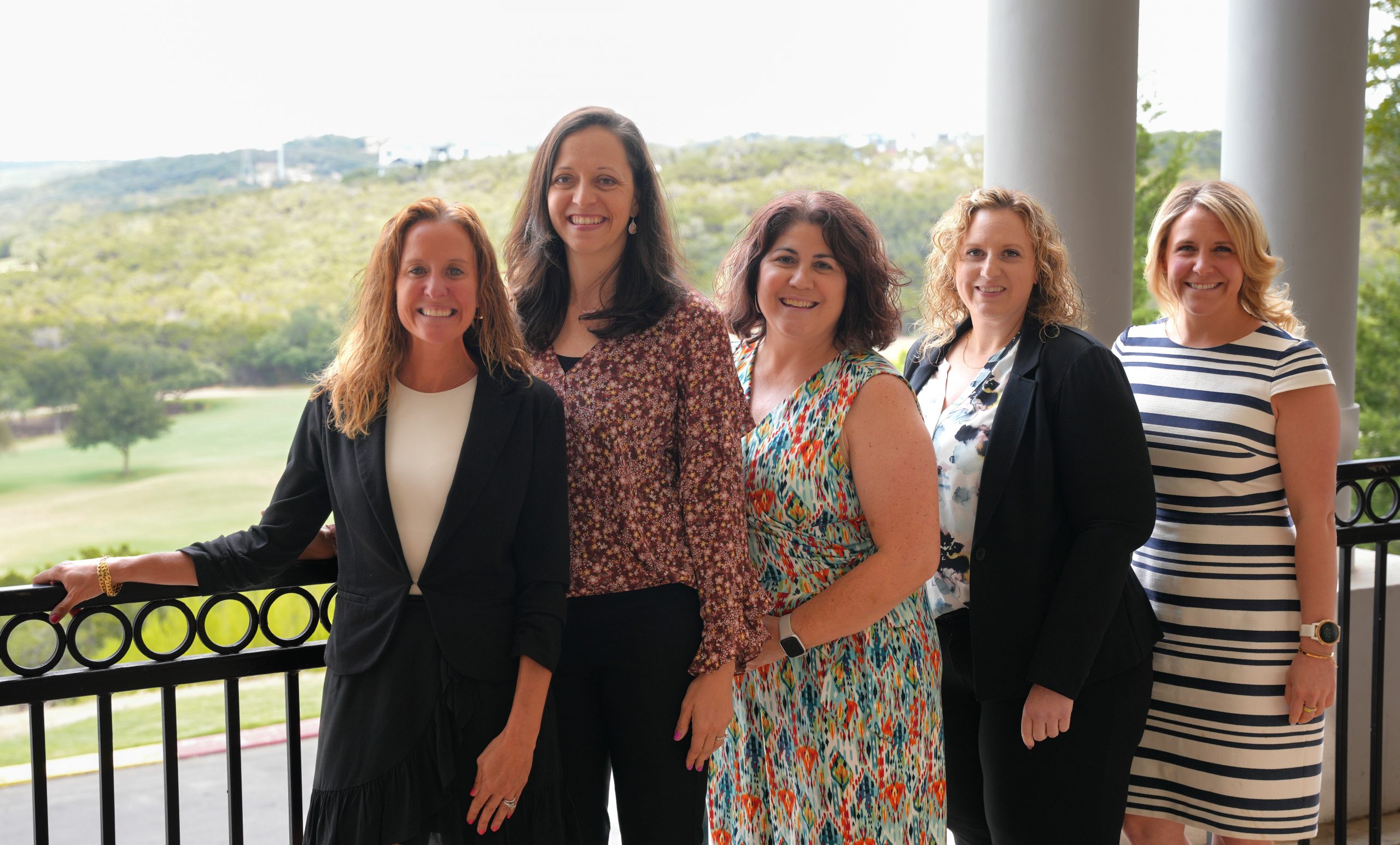
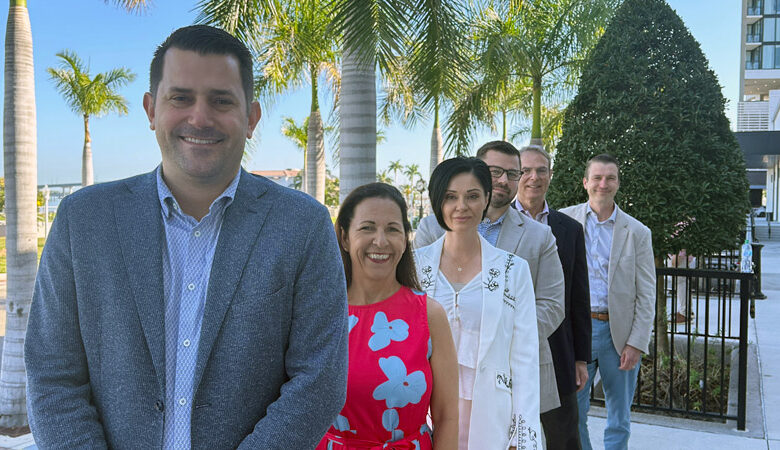
Tonya Almallah Schmitt, founding principal, AIDT Designs, Inc., moderated the discussion with the goal of addressing how to meet Boomers’ rising expectations while delivering sustainable returns. Joining her on stage were:
- Lisa Cini, founder of two companies, Mosaic Design Studio and The Alignment Formula
- Samuel DeRossett, senior director of capital projects at Priority Life Care
- John Juroe, director of development at Cardinal Senior Living
- Jami Mohlenkamp, principal at OZ Architecture
- Austin Steele, chief strategy officer at Journey
In a lively exchange of anecdotes illustrating real-world challenges and solutions, the executives explored what communities of the future could look like and how designers, developers and operators can collaborate when thinking 10-15 years ahead. A few central ideas surfaced again and again. Operations must be involved from the very start, and communities have to be engineered to support sophisticated technologies. And, in a move away from the isolated facilities of yesteryear, communities should be embedded in walkable, intergenerational neighborhoods, and designed as “country clubs with rooms.”
Before looking into the future, Schmitt offered an opportunity to learn from the past, asking the panel what was – or is – the biggest mistake they’ve seen in design or development in most projects. The answers varied, but they shared a common thread: breakdowns in communications and collaboration.
Cini, DeRossett, Juroe and Mohlenkamp described planning processes that too often begin without full alignment across teams. Cini cited disconnects between owner expectations and contractor assumptions, while DeRossett said operations is too often left out of early design decisions, leading to buildings that look good on paper but do not work well in the real world. Juroe and Mohlenkamp broadened that critique to include weak communication between owners and designers, with Mohlenkamp also noting a wider failure to truly listen to one another. Steele added that the same blind spots often extend to staff areas, which he said are routinely undervalued despite their direct effect on morale and efficiency.
Schmitt then refocused the discussion on market-driven design and the planning decisions shaping the future of senior living communities. She raised questions about when design should enter the process, how resident expectations have changed over the past 10 to 15 years and how future demographics may influence amenity spaces and other planning decisions. She asked DeRossett how early design should be brought into the development conversation.
“You should bring design in at the very beginning,” he said. “Because if you don’t, you’re going to be creating problems that you have to solve later on, and a lot of the time, you won’t have the funds to fix those.”
Steele echoed his point, with the distinction that design conversations should begin internally in the earliest planning stages or while an existing property is being evaluated, well before design teams are formally brought in.
Mohlenkamp and Cini presented the perspectives of the architecture and design teams, as both argued for bringing design and a mix of other voices in as early as possible, saying it is far easier and less costly to address issues upfront than to fix them later. Mohlenkamp said that approach should extend beyond the core team, with architects, designers and subconsultants all brought into the conversation early so potential problems can be identified before they become expensive changes. Cini added that interior designers are often included too late, even though most of the senior living experience happens inside the building. She also pointed to a frequent disconnect in new development projects that move forward before an operations team is in place, leaving designers and developers to make assumptions that may not hold up once operators arrive. In her view, teams benefit most when people making design decisions have firsthand operational experience and understand what it means to live with those choices.
Greater Expectations
From there, Schmitt turned to how those early planning decisions connect to what today’s residents actually want from senior living communities. Juroe said those expectations are broader and more explicit than in the past. He listed a demand for reliable internet, strong IT infrastructure, sustainability efforts that are taken seriously and larger apartment configurations, along with practical needs such as more parking and accommodations for third-party care providers. He said the preferences reflect a generational shift, as Boomers arrive at communities with higher and more clearly stated expectations.
Cini said those expectations also extend to location and lifestyle. Rather than isolated campuses, she said, residents increasingly want communities that are integrated into the surrounding neighborhood, with opportunities to walk to nearby destinations, spend time around people of different ages and feel part of a more intergenerational environment.
Mohlenkamp added that residents also want more ability to shape their own experience, describing it as “mass customization.” He explained that Boomers have grown used to tailoring products and services to their preferences; now they want some of that same flexibility in senior living.
“They didn’t just buy the car off the lot,” he said. “They bought the car, but they customized the wheels, or they added this option to it.”
In addition to customizing their environments, seniors’ priorities have expanded to include amenities. DeRossett recalled seeing a shift from a primary focus on health care to a broader expectation of comfort, hospitality and choice. He said today’s residents want communities that feel more like home, with amenities such as casual and fine dining that support both comfort and aging in place.
Vision vs. Budget
Discussions about designing dynamic communities to accommodate resident expectations then pivoted to the tension between vision and budget. Schmitt asked Steele where he most often sees a disconnect between aspirational design and development reality. Steele said the disconnect often comes down to where limited dollars are spent: Operators may want a high-end result across the board, but in practice they have to prioritize the spaces that most directly affect resident experience and overall perception.
Mohlenkamp said budget pressure is a reality on nearly every project, which makes it critical to define priorities early and carry them through the design process. He said teams must constantly balance what he called the “three pillars,” the building itself, the interior design and the landscape experience, while keeping in mind the type of community the client is trying to create.
“When we get to value engineering, we want to be able to say, ‘You told us these things were valuable, and here’s what we recommend we do to achieve that,’ ” he said.
Cini followed with a frank assessment: Projects get into trouble when teams are not fully candid from the start about budgets, tradeoffs and major cost drivers. She said early choices about components such as HVAC, ceiling heights and where money should be concentrated can determine whether a project preserves the spaces and features that matter most.
That led to a practical question for the development side: Which early decisions have the greatest long-term operational impact once a community is up and running?
Juroe said some of the biggest long-term effects often come from smaller decisions that are easy to overlook early on. He cited as an example the need for adequate storage for mobility devices in communities where residents are aging in place, as well as the value of designing flexible spaces that can serve multiple purposes. He said communities get more out of their prime real estate when rooms are planned for a range of uses and positioned thoughtfully within the building.
DeRossett fielded a related question about where developers should spend more and where they may be tempted to cut too much. He said teams often overinvest in visual features while underestimating the operational demands a building will face every day. He identified durable materials, back-of-house needs and HVAC infrastructure as areas where early shortcuts can create long-term costs. The way he sees it, the issue is not only what systems are chosen, but also where they are placed and how easily they can be maintained over time.
Cini added that low-voltage infrastructure is another area that is often underfunded, even though reliable internet and wiring are now essential to resident experience.
Schmitt next asked the panel to consider the design through an operational lens, including how it can better support staff retention, efficiency and day-to-day performance. Juroe returned to DeRossett’s earlier point about the wear a building takes over time, saying communities need to account for far more than appearance when selecting materials. As mobility devices, children, daily traffic and routine accidents all take a toll, he said, durability matters in everything from moldings and wainscoting to flooring.
“It never serves us well to get the least expensive option,” Juroe said, adding that spending more time on materials that can withstand heavy use is likely to save money over the long run.
Mohlenkamp added that operationally sound interiors depend in part on having the right expertise on the project. He said there is a meaningful distinction between decorating a space and designing one, especially when accessibility, code requirements and long-term function are at stake. He went on to add that projects benefit from involving an experienced interior designer who is thinking beyond finishes and accessories to the deeper spatial and operational demands of the building.
What’s Ahead?
Asked what will define the next decade of senior living, the panelists returned to the need for stronger technology infrastructure, while also emphasizing smaller-scale living and greater attention to both staff experience and resident autonomy. Cini, DeRossett and Juroe each said they are seeing growing interest in smaller communities and group-home settings, where residents may have more one-on-one interaction, a greater sense of comfort and, in some cases, stronger continuity with caregivers. Juroe said that even with that trend, demand is rising more broadly across the sector, as more people and more age groups explore senior living options.
Technology also remained central to the panel’s thinking about what comes next. Mohlenkamp discussed the promise of robotics and other tools that could reduce less-meaningful tasks without eliminating human connection, while Steele said the growing role of technology is already changing the physical requirements of buildings. “We have to run fiber into our buildings nowadays,” he said, noting that communities now need far more robust infrastructure than a single high-speed internet connection.
The future will depend not just on new tools or new formats, but also on how well communities balance innovation with daily lived experience.
***
Interested in speaking at a future event? To learn more about speaking opportunities, connect with the HEALTHTAC team here.
Follow HEALTHTAC Events on LinkedIn and Instagram for event updates and highlights.
Jacqui Barrineau is editor at Senior Living News, an online trade publication featuring event recaps and curated news stories on developments, trends and thought leaders in the senior living industry.