How Recent Progress Shapes New Paths in Dementia Care
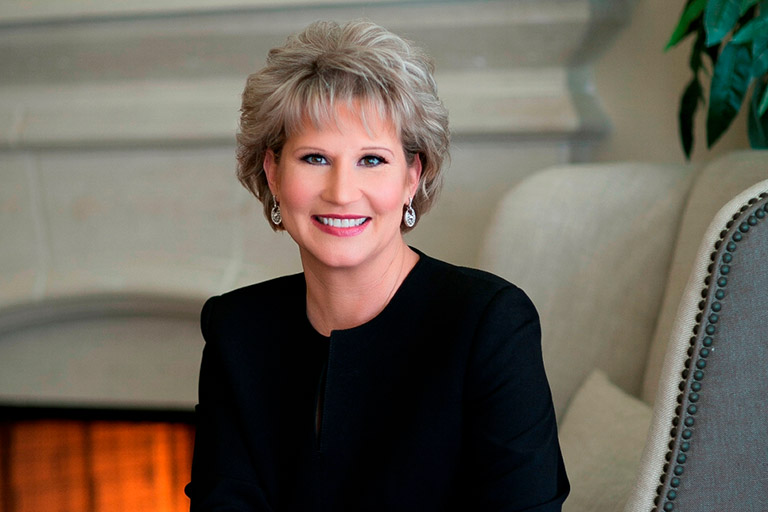
By Cheryl Harding | May 21, 2026
Families living with dementia – and loving through dementia – saw hope and progress in 2025 and continue to see it in 2026.
That progress is arriving on multiple fronts: in research labs and legislative chambers, in care communities like the James L. West Center for Dementia Care in Fort Worth, and in the everyday acts of students, caregivers and world leaders who have made this fight their own.
Medical Advances
The Centers for Medicare & Medicaid Services (CMS) launched the GUIDE program (Guiding an Improved Dementia Experience) in mid-2024 to support both people living with dementia and the family and friends who care for them.
The program provides a $2,500 annual Medicare-funded stipend to use toward approved respite services, giving families more flexibility in choosing when and how to take a break.
One of the most important moments of 2025 came when the U.S. Food and Drug Administration approved the first blood test to help diagnose Alzheimer’s disease.
For decades, families seeking answers often faced fewer options, such as expensive brain scans or invasive spinal taps. The new blood test does not replace a complete medical workup, but it can speed up the path to a diagnosis and reduce bottlenecks for specialists.
That means people can start planning earlier, consider clinical trials sooner and be evaluated earlier for disease-modifying therapies when those medicines are most likely to help.
Progress in treatments also continued. Medicare now has a clearer pathway for covering certain antibody therapies for early Alzheimer’s disease. These drugs are not cures, yet they are meaningful steps toward slowing the course of the disease.
Last November, Texas voters overwhelmingly approved the creation of the Dementia Prevention and Research Institute of Texas, which will receive up to $3 billion over the next decade. The institute is expected to attract leading scientists from around the world and create a center of excellence like the state’s high-profile heart and cancer research efforts.
Translating New Discoveries into Care
High-quality care communities, such as the James L. West Center for Dementia Care, continue to help translate new discoveries into practical bedside care, where families feel the impact most directly.
In 2025, prevention and brain health moved from the sidelines into the spotlight. While not every case of dementia can be prevented, research is increasingly clear that some risks can be lowered or delayed.
Areas that are proven to help prevent or delay dementia include:
- Staying socially connected and mentally engaged
- Correcting vision and hearing loss, since untreated vision and hearing problems raise dementia risk and increase isolation
- Staying physically active with regular, moderate exercise that combines movement and strength
- Managing vascular risks such as high blood pressure, high cholesterol, diabetes and heart disease
- Limiting alcohol use, especially heavy drinking
- Getting seven to eight hours of quality sleep
The Human Connection
Last year also highlighted the importance of the human connection in dementia care.
This February, National Caregivers Day honored the millions of professional and family caregivers who provide daily support to people living with dementia. Throughout the year, education programs and media coverage increasingly profiled caregivers as essential partners in care, not background helpers.
Volunteers are creating meaningful and memorable connections with families affected by dementia.
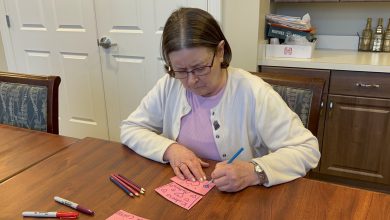
One especially inspiring local story began with a $400 grant and a teenager. Fort Worth Trinity Valley High School student Thrisha Sukesh chose to focus her project on dementia because her grandfather is living with the disease. She started by bringing flowers and cookies to residents at the James L. West Center.
Her effort quickly grew. She recruited classmates to sing for residents and create greeting cards and holiday decorations. Her project, “The Joy of Volunteering,” earned a proclamation from the Fort Worth City Council.
By fall 2025, more than 100 student volunteers were involved, demonstrating how young people can build a more dementia-friendly community.
Removing the Stigma
Dementia is being talked about more, helping to reduce the stigma. Dementia does not discriminate, and more public figures made that visible. Families of entertainers such as Tony Bennett, Glen Campbell, and Bruce Willis continued to share their experiences as care partners.
Stories about former President Ronald Reagan, former British Prime Minister Margaret Thatcher, comedian Robin Williams, comedian Jay Leno’s wife, and actor Chris Hemsworth’s genetic risk helped many families feel less alone.
Some artists, including Campbell and Bennett, continued performing even while living with dementia. Their music reminded the world that deeply rooted talents and identity can remain strong, even as memory changes.
The developments charted in 2025 and so far in 2026 tell a larger story. Science is advancing. Prevention is better understood. Public investment is growing. Stigma is slowly shrinking. Communities and care centers such as James L. West are turning research into real-life support for people living with dementia and their care partners.
Moving Forward
The journey with dementia is still hard, and the feelings that come with it are very real. Yet this past year offered a message of hope: Progress is being made, preventive measures matter and no family must walk this path alone. Reach out and ask for help. James L. West is here to provide education, support and care.
***
Disclaimer: The views and opinions expressed in this guest column are those of the author and do not necessarily reflect the official policy or position of Senior Living News. The author may have an interest in the products, services, or business entities referenced in this article. Senior Living News is not responsible for the opinions or factual assertions made by the author.